


Leg Pain, Swelling & Discoloration in St. Augustine

Personalized Vein Evaluations

In-Office Diagnostic Ultrasound

Minimally Invasive Treatments

Leg Pain, Swelling and Discoloration Can Signal Vein Disease
Leg pain, swelling, and changes in skin color can have several causes, including chronic venous insufficiency, varicose veins, and other circulation-related conditions.
At One Vein Clinic, our medical team evaluates your symptoms and medical history to determine whether underlying vein disease may be contributing. When appropriate, diagnostic ultrasound can help identify problems with blood flow in the legs.
Based on your evaluation, we’ll recommend appropriate next steps, including minimally invasive vein treatments when medically indicated.
Leg Pain
Leg pain can develop for many reasons, including muscle strain, nerve conditions, circulation problems, and underlying vein disease.
When pain is associated with varicose veins or chronic venous insufficiency, patients may also experience aching, heaviness, throbbing, or discomfort after standing for extended periods.
Common Causes
Varicose veins
Chronic venous insufficiency
Muscle or joint conditions
Nerve-related conditions
Other circulation problems
When to Seek an Evaluation
Consider scheduling a vein evaluation if leg discomfort is persistent, worsens after prolonged standing, or occurs alongside swelling, heaviness, or visible varicose veins.
How We Help
Our team reviews your symptoms and may recommend diagnostic ultrasound to evaluate for underlying venous insufficiency. If vein disease is identified, treatment options may include Radiofrequency Ablation (RFA), VenaSeal™, Varithena®, or Sclerotherapy, depending on your condition.
Important: Sudden severe leg pain, a cold or pale limb, or pain accompanied by chest pain or shortness of breath requires urgent or emergency medical evaluation.
Leg Swelling
Leg swelling occurs when excess fluid accumulates in the tissues of the legs, ankles, or feet. It can result from prolonged sitting or standing, chronic venous insufficiency, lymphedema, or other medical conditions.
Common Causes
- Chronic venous insufficiency
- Varicose veins
- Lymphedema
- Prolonged sitting or standing
- Certain medications or underlying medical conditions
When to Seek an Evaluation
Consider scheduling an evaluation if swelling is persistent, recurring, or accompanied by aching, heaviness, or visible varicose veins.
How We Help
Our team evaluates your symptoms and may recommend a venous ultrasound to determine whether underlying vein disease is contributing to the swelling. Treatment recommendations depend on the findings and may include compression, lifestyle changes, or minimally invasive vein procedures when appropriate.
Important: Sudden leg swelling, especially with significant pain, requires prompt medical assessment. Swelling accompanied by chest pain or shortness of breath requires emergency medical attention.
Ankle Discoloration
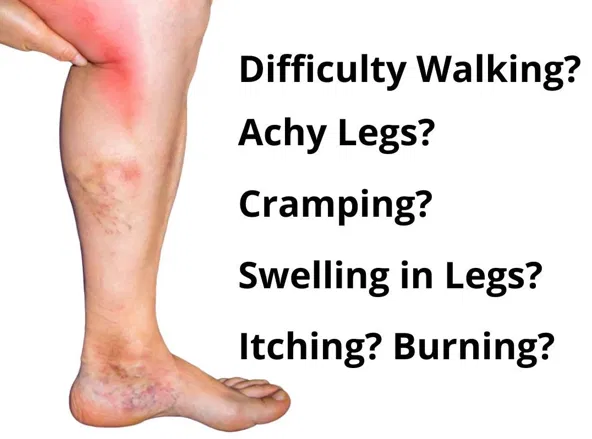
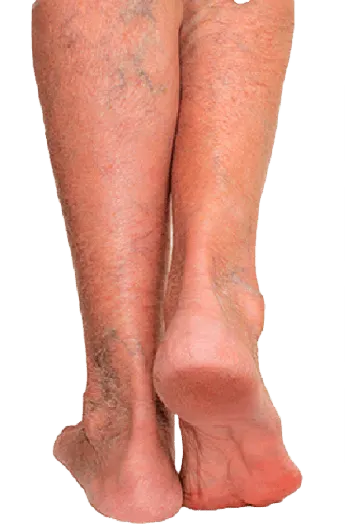
Brownish or reddish discoloration around the ankles and lower legs can sometimes be a sign of chronic venous insufficiency.
When blood does not circulate efficiently through the leg veins, increased pressure can contribute to swelling, inflammation, and changes in skin color or texture.
Common Symptoms
Brown or reddish patches around the ankles
Persistent itching or skin irritation
Dry, thickened, or sensitive skin
Leg swelling or heaviness
Slow-healing sores in more advanced cases
When to Seek an Evaluation
Schedule an evaluation if you notice persistent ankle discoloration, especially when accompanied by swelling, visible varicose veins, or other changes in the skin.
How We Help
Our team evaluates your symptoms and may recommend a venous ultrasound to determine whether underlying vein disease is contributing to the discoloration.
When appropriate, treatment may include compression therapy, lifestyle recommendations, or minimally invasive procedures to address affected veins.
“Very pleasant. Staff was helpful, courteous, and friendly. — Randy R.”
LEG PAIN & SWELLING QUESTIONS
Frequently Asked Questions About Leg Pain & Swelling
What causes leg swelling?
Leg swelling can result from vein disease (venous insufficiency), blood clots, prolonged standing or sitting, excess weight, tight clothing, a high-salt diet, or conditions affecting the heart or kidneys. Because causes vary, an evaluation is important.
When should I seek care for leg swelling or pain?
See a provider if swelling or pain is sudden, severe, persistent, or comes with visible veins, skin discoloration or sores. If you have chest pain, shortness of breath or dizziness along with leg swelling, seek emergency care right away.
How are leg pain and swelling evaluated?
Your evaluation may include a medical history, a physical exam, ultrasound imaging of the leg veins and, when needed, blood work, to find out what is causing your symptoms.
What causes discoloration around the ankles?
Brownish or dark patches near the ankles often develop when poor circulation and failing vein valves cause pigment from red blood cells to build up under the skin. It can be a sign of chronic venous insufficiency and should be evaluated.
How do you treat leg pain and swelling?
Treatment depends on the cause. For vein-related symptoms, it may include sclerotherapy or VenaSeal™ to close damaged veins, along with compression stockings, regular exercise and lifestyle changes.
Schedule Your Leg Vein Evaluation Today
Experiencing persistent leg pain, swelling, heaviness, or ankle discoloration? Our team can help determine whether an underlying vein condition may be contributing to your symptoms.
Schedule a consultation at One Vein Clinic in St. Augustine, serving Jacksonville and surrounding Northeast Florida communities.