

Lymphedema Care in St. Augustine
Experiencing persistent leg swelling, heaviness, or discomfort? One Vein Clinic provides personalized evaluations to help identify possible causes of swelling, including lymphedema and underlying vein conditions.
Located in St. Augustine, serving Jacksonville and surrounding Northeast Florida communities.

In-Office Evaluations

Personalized Care Recommendations

Vein and Circulation Assessment
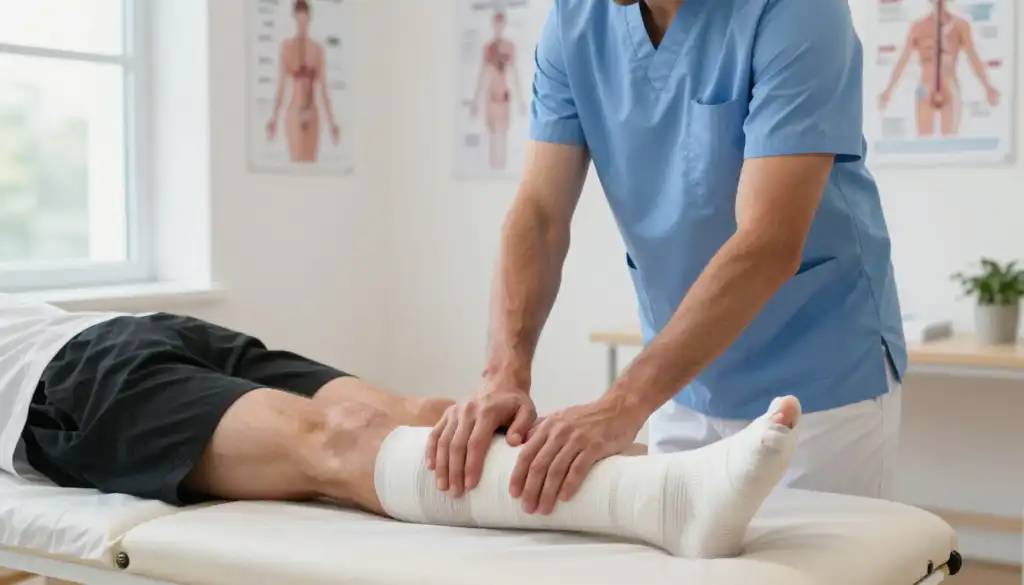
Evaluation and Personalized Guidance for Lymphedema
Lymphedema can cause persistent swelling, discomfort, and changes in the skin, particularly in the legs. Because several medical conditions can cause similar symptoms, identifying the underlying cause is an important first step.
At One Vein Clinic, our medical team evaluates leg swelling and related symptoms to determine whether venous disease or another condition may be contributing.
Based on your evaluation, we can discuss appropriate next steps, which may include additional testing, vein treatment when indicated, or referral for specialized lymphedema management.
What is Lymphedema?
Lymphedema is a chronic condition that develops when the lymphatic system cannot properly drain fluid from the body’s tissues. This can lead to persistent swelling, most commonly in the arms or legs.
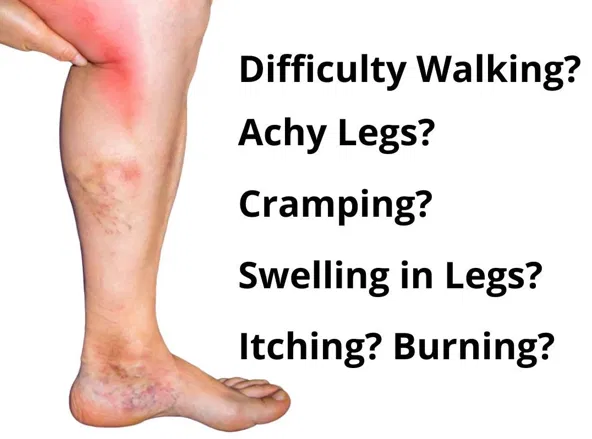
Symptoms may include heaviness, tightness, discomfort, and skin changes.
Lymphedema can develop following surgery, cancer treatment, radiation, infection, or because of inherited lymphatic conditions.
Although there is no definitive cure for most forms of lymphedema, treatments such as compression therapy, exercise, and specialized lymphatic drainage can help manage symptoms.
Why Does Lymphedema Cause Leg Discomfort?
When lymphatic fluid accumulates in the legs, it can cause swelling that places pressure on surrounding tissues and stretches the skin.
Patients may experience:
- Persistent swelling in one or both legs
- A feeling of heaviness or tightness
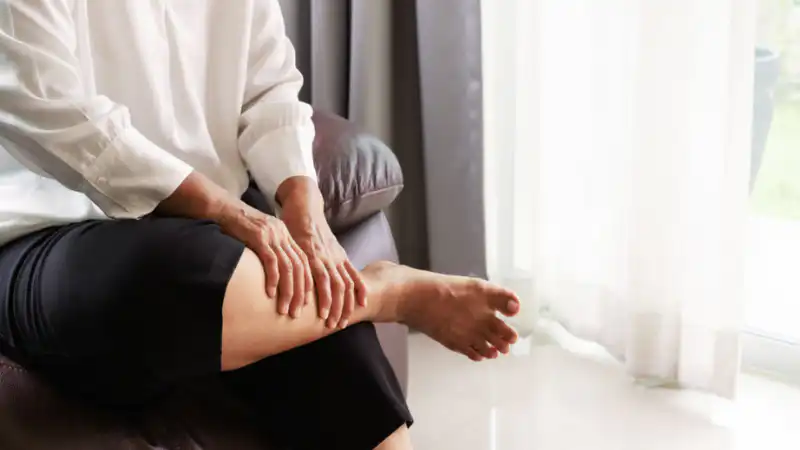
- Aching or discomfort
- Reduced flexibility or difficulty moving comfortably
- Thickened skin or other skin changes over time
Symptoms vary depending on the severity and duration of the condition.
When to Seek an Evaluation
- Persistent swelling in one or both legs
- Leg heaviness, tightness, or discomfort
- Swelling that worsens throughout the day
- Skin thickening, discoloration, or other changes
- Recurring swelling that affects your daily activities
An evaluation may include a medical history, physical examination, and diagnostic testing when appropriate to identify possible underlying causes.
Important: Sudden leg swelling or pain, particularly with chest pain or shortness of breath, requires immediate medical attention. Do not wait for a routine clinic appointment.
How We Help
-
Comprehensive Evaluation
We assess leg swelling, discomfort, skin changes, and related symptoms to help identify possible contributing conditions. -
Vein and Circulation Assessment
When appropriate, diagnostic ultrasound may be recommended to evaluate whether underlying venous insufficiency is contributing to swelling. -
Personalized Recommendations
Our team discusses findings and appropriate next steps based on your symptoms, medical history, and evaluation. -
Vein Treatment or Specialized Referral
If underlying vein disease is identified, minimally invasive treatments may be considered when medically appropriate. Patients requiring specialized lymphedema therapy may benefit from additional care with a qualified provider.
LYMPHEDEMA QUESTIONS
Frequently Asked Questions About Lymphedema
What is lymphedema?
Lymphedema is a chronic condition caused by a build-up of lymph fluid, usually in the arms or legs, when the lymphatic system is damaged or not working well. It causes swelling, discomfort and heaviness.
What causes lymphedema?
Surgery, radiation therapy, infection and an inherited tendency can all contribute. People who have had cancer treatment may be at higher risk.
Why does lymphedema cause leg pain?
Built-up fluid puts pressure on tissues, nerves and blood vessels and stretches the skin, which can cause pain, tightness and heaviness.
When should I seek treatment?
See us if leg pain does not improve with rest, limits your activity, or comes with swelling, visible veins, shortness of breath or skin color changes.
How is leg pain treated?
Treatment depends on the cause. It may include medication, vein-closing procedures such as sclerotherapy or VenaSeal™, and lifestyle changes with compression socks.
Schedule Your Leg Swelling Evaluation
If you’re experiencing persistent leg swelling, heaviness, or discomfort, our team can help evaluate your symptoms and determine appropriate next steps.
Schedule a consultation at One Vein Clinic in St. Augustine.